


A
licenseA
qualityD
maintenanceAn MCP server that provides real-time financial data integration with Alpha Vantage's API, enabling access to stock market data, cryptocurrency prices, forex rates, and technical indicators.
7
15 npm
4
MIT

Click on "Deploy Server".
Wait a few minutes for the server to deploy. Once ready, it will show a "Started" state.
In the chat, type @ followed by the MCP server name and your instructions, e.g., "@Questrade MCP Server Show me my current balances and stock positions"
That's it! The server will respond to your query, and you can continue using it as needed.
Here is a step-by-step guide with screenshots.


An unofficial Model Context Protocol (MCP) server for integrating with the Questrade API, providing access to trading accounts, market data, and portfolio information.
⚠️ Disclaimer: This is an unofficial, community-built integration and is not affiliated with, endorsed by, or supported by Questrade Inc. Use at your own risk.
🔐 Authentication: OAuth 2.0 token management with automatic refresh
📊 Account Data: Access accounts, positions, balances, and order history
📈 Market Data: Real-time quotes, symbol search, and historical candles
🛡️ Error Handling: Comprehensive error handling and logging
🔧 TypeScript: Full TypeScript support with proper type definitions
Related MCP server: Finance Tools MCP
npm install -g questrade-mcp-serverClone this repository
Install dependencies:
npm installCopy the environment template:
cp .env.example .envConfigure your Questrade API credentials in .env:
QUESTRADE_API_URL=https://api01.iq.questrade.com
QUESTRADE_REFRESH_TOKEN=your_refresh_token_here
# QUESTRADE_TOKEN_DIR=/path/to/custom/directoryFor detailed information about Questrade's API authorization, see the official API documentation.
Log in to your Questrade account or navigate directly to https://apphub.questrade.com/UI/UserApps.aspx
In the top right corner, select "API centre" from the drop-down menu under your login name
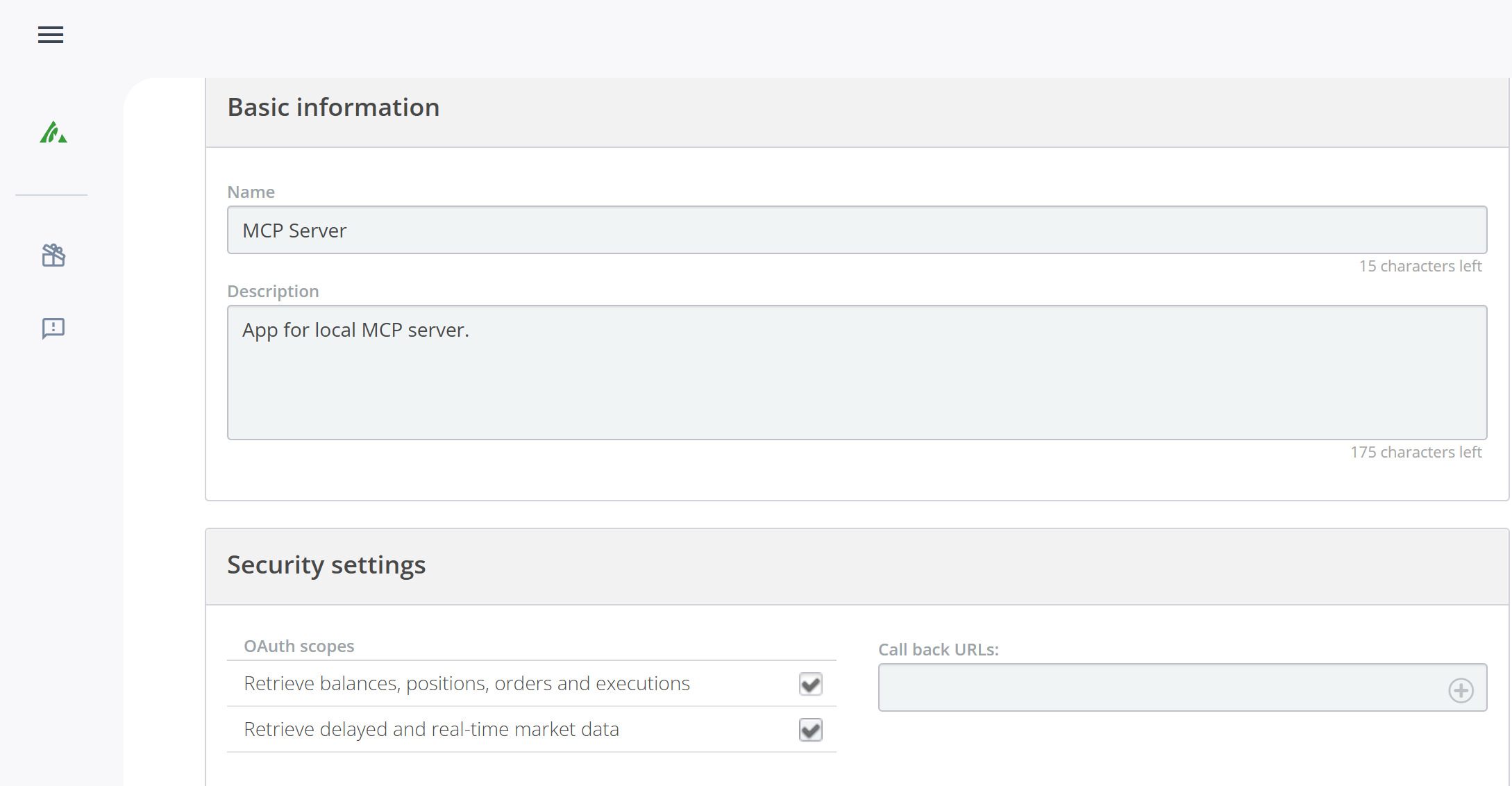
Click "Activate API" and agree to the API access agreement
Click "Generate new token" for manual authorization
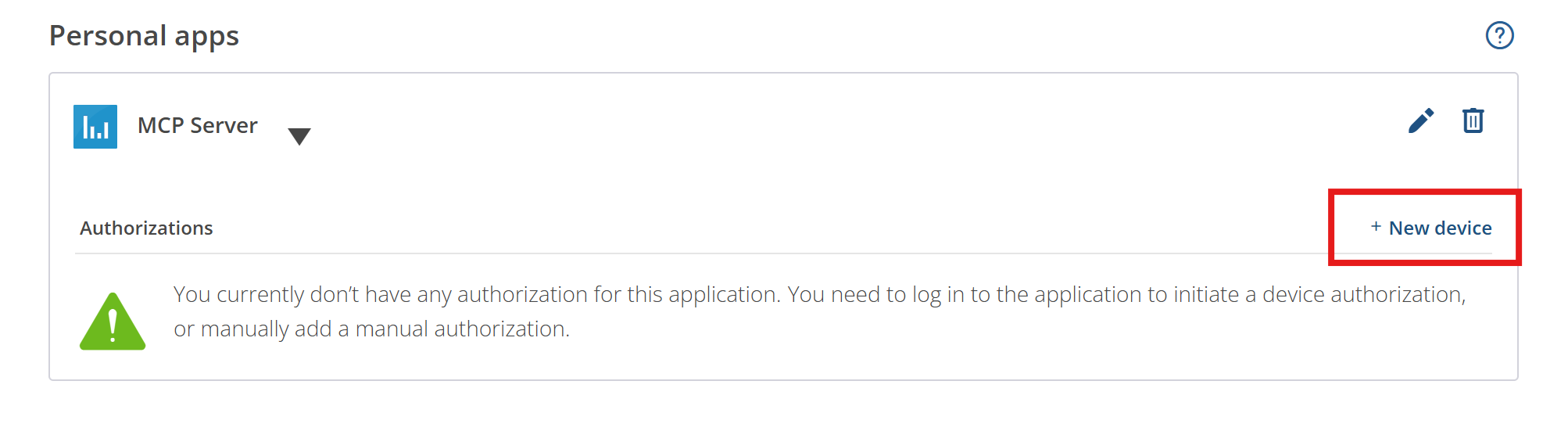
Copy the refresh token provided
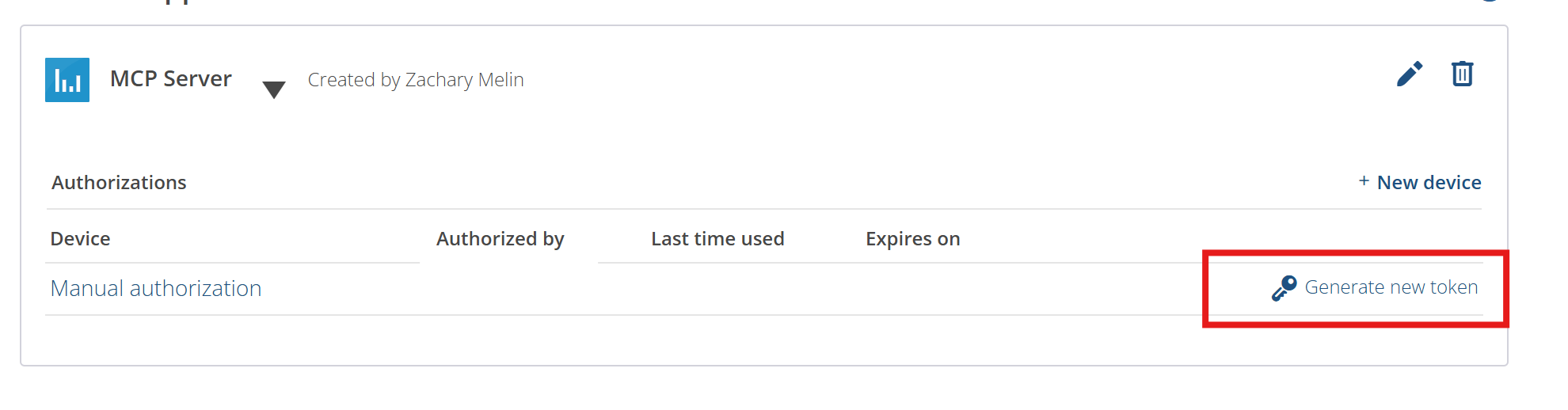
Copy your refresh token to .env:
QUESTRADE_REFRESH_TOKEN=your_refresh_token_hereThe MCP server will automatically:
Use your refresh token to get an access token
Discover the correct API server URL
Handle token refresh when needed
Persist new tokens to ~/.questrade-mcp/tokens.json (or system temp directory as fallback)
Important: Refresh tokens are single-use only. The server will attempt to persist new refresh tokens to
~/.questrade-mcp/tokens.json(configurable viaQUESTRADE_TOKEN_DIRenvironment variable), but if a token expires or gets used by another process, you'll need to manually generate a new one following the steps above.
Verify your token works correctly:
npm run test-connectionNote: If you get a "'tsx' is not recognized" error, the test script will automatically build the project first and use Node.js instead.
npm run devnpm run build
npm startFind your Claude Desktop config file:
Windows: %APPDATA%\Claude\claude_desktop_config.json
macOS: ~/Library/Application Support/Claude/claude_desktop_config.json
Linux: ~/.config/Claude/claude_desktop_config.json
Add the MCP server configuration:
Quick setup (Recommended)
{
  "mcpServers": {
    "questrade": {
      "command": "npx",
      "args": ["questrade-mcp-server"],
      "env": {
        "QUESTRADE_REFRESH_TOKEN": "your_refresh_token_here"
      }
    }
  }
}
Local development build
{
  "mcpServers": {
    "questrade": {
      "command": "node",
      "args": ["/path/to/your/project/dist/index.js"],
      "env": {
        "QUESTRADE_REFRESH_TOKEN": "your_refresh_token_here"
      }
    }
  }
}
If using local build, update the path to match your actual project location
Restart Claude Desktop
Test the connection by asking Claude to show your Questrade accounts
For detailed setup instructions, see claude-desktop-config.md.
get_accounts - Get all Questrade accounts
get_positions - Get positions for a specific account
get_balances - Get balances for a specific account
get_orders - Get order history for an account
search_symbols - Search for symbols by prefix
get_symbol - Get detailed symbol information
get_quotes - Get real-time quotes for symbols
get_candles - Get historical price data
refresh_token - Refresh the API access token
The MCP server includes helpful prompts for common trading analysis tasks:
Prompt: portfolio_summary
Get a comprehensive portfolio analysis with account balances, positions, and performance
Optional: Specify accountNumber (uses first account if not provided)
Prompt: stock_analysis
Analyze a specific stock with current quotes, symbol information, and recent performance
Required: symbol (e.g., "AAPL", "TSLA", "MSFT")
Prompt: trading_opportunities
Identify potential trading opportunities based on current positions and market data
Optional: accountNumber (uses first account if not provided)
Optional: riskLevel ("conservative", "moderate", or "aggressive")
Simply ask Claude:
"Use the portfolio_summary prompt to analyze my trading account"
"Analyze AAPL stock using the stock_analysis prompt"
"Show me trading opportunities with conservative risk level"
{
  "name": "get_accounts"
}{
"name": "get_positions",
"arguments": {
"accountNumber": "12345678"
}
}{
"name": "search_symbols",
"arguments": {
"prefix": "AAPL",
"offset": 0
}
}{
"name": "get_quotes",
"arguments": {
"symbolIds": [8049, 9291]
}
}The server uses environment variables for configuration:
QUESTRADE_API_URL: Base URL for Questrade API (default: https://api01.iq.questrade.com)
QUESTRADE_REFRESH_TOKEN: Your API refresh token
QUESTRADE_TOKEN_DIR: Custom directory for token storage (default: ~/.questrade-mcp)
The server includes comprehensive error handling for:
Invalid or expired tokens (automatic refresh)
Missing required parameters
API rate limits and network errors
Invalid account numbers or symbol IDs
Never commit your .env file to version control
Access tokens expire after 7 days
Refresh tokens are automatically used to get new access tokens
This is an unofficial tool - ensure you comply with Questrade's API terms of service
Always verify trading decisions independently before executing trades
src/
├── index.ts          # Main MCP server implementation
├── questrade-client.ts # Questrade API client
└── types.ts # TypeScript type definitionsnpm run buildnpm run cleanMIT
Get all Questrade accounts
| Name | Required | Description | Default |
|---|---|---|---|
No parameters | |||
Does the description disclose side effects, auth requirements, rate limits, or destructive behavior?
With no annotations provided, the description carries the full burden of behavioral disclosure. It states a read operation ('Get') but lacks details on permissions, rate limits, response format, or any side effects. This is a significant gap for a tool with zero annotation coverage.
Agents need to know what a tool does to the world before calling it. Descriptions should go beyond structured annotations to explain consequences.
Is the description appropriately sized, front-loaded, and free of redundancy?
The description is a single, efficient sentence with no wasted words. It is appropriately sized and front-loaded, directly stating the tool's purpose without unnecessary elaboration.
Shorter descriptions cost fewer tokens and are easier for agents to parse. Every sentence should earn its place.
Given the tool's complexity, does the description cover enough for an agent to succeed on first attempt?
Given the tool's simplicity (0 parameters, no output schema), the description is adequate but has clear gaps. It lacks behavioral context and usage guidelines, which are important even for simple tools, especially with no annotations to provide safety or operational details.
Complex tools with many parameters or behaviors need more documentation. Simple tools need less. This dimension scales expectations accordingly.
Does the description clarify parameter syntax, constraints, interactions, or defaults beyond what the schema provides?
The tool has 0 parameters, and schema description coverage is 100%, so the schema fully documents the absence of inputs. The description doesn't need to add parameter information, and it correctly implies no inputs are required, aligning with the schema.
Input schemas describe structure but not intent. Descriptions should explain non-obvious parameter relationships and valid value ranges.
Does the description clearly state what the tool does and how it differs from similar tools?
The description clearly states the verb ('Get') and resource ('all Questrade accounts'), making the purpose unambiguous. However, it doesn't differentiate from sibling tools like 'get_balances' or 'get_positions', which might also retrieve account-related data, so it doesn't reach the highest score.
Agents choose between tools based on descriptions. A clear purpose with a specific verb and resource helps agents select the right tool.
Does the description explain when to use this tool, when not to, or what alternatives exist?
No guidance is provided on when to use this tool versus alternatives like 'get_balances' or 'get_positions'. The description implies a general retrieval of accounts but doesn't specify context or exclusions, leaving the agent to infer usage.
Agents often have multiple tools that could apply. Explicit usage guidance like "use X instead of Y when Z" prevents misuse.
Get balances for a specific account. Returns an object keyed by currency showing each currency's holdings in their native denomination — CAD holdings in CAD, USD holdings in USD. Report them separately. To compute a combined total, apply a CAD/USD exchange rate.
| Name | Required | Description | Default |
|---|---|---|---|
| accountNumber | Yes | Account number to get balances for |
Does the description disclose side effects, auth requirements, rate limits, or destructive behavior?
With no annotations, the description effectively discloses return format (object keyed by currency, native denominations) and gives interpretation guidance (report separately, apply FX rate). It is transparent about output behavior, though it omits potential side effects (likely none).
Agents need to know what a tool does to the world before calling it. Descriptions should go beyond structured annotations to explain consequences.
Is the description appropriately sized, front-loaded, and free of redundancy?
The description is three concise sentences. The first sentence states the purpose, and subsequent sentences add essential details without any unnecessary words. Front-loaded and efficient.
Shorter descriptions cost fewer tokens and are easier for agents to parse. Every sentence should earn its place.
Given the tool's complexity, does the description cover enough for an agent to succeed on first attempt?
Given the tool's simplicity (1 parameter, no output schema, no annotations), the description is fully adequate. It covers purpose, parameter, output structure, and usage guidance, leaving no obvious gaps for an AI agent.
Complex tools with many parameters or behaviors need more documentation. Simple tools need less. This dimension scales expectations accordingly.
Does the description clarify parameter syntax, constraints, interactions, or defaults beyond what the schema provides?
Schema coverage is 100% for the single parameter 'accountNumber', which is described in the schema. The description adds no new parameter-level semantics beyond the schema but provides valuable output context.
Input schemas describe structure but not intent. Descriptions should explain non-obvious parameter relationships and valid value ranges.
Does the description clearly state what the tool does and how it differs from similar tools?
The description clearly states the action 'Get balances' and the resource 'for a specific account'. This distinguishes it from sibling tools like get_positions or get_accounts, as it specifically targets currency holdings.
Agents choose between tools based on descriptions. A clear purpose with a specific verb and resource helps agents select the right tool.
Does the description explain when to use this tool, when not to, or what alternatives exist?
The description implies when to use the tool (when needing balances for an account) but does not provide explicit guidance on when not to use it or mention alternatives. Context is clear but lacks exclusions.
Agents often have multiple tools that could apply. Explicit usage guidance like "use X instead of Y when Z" prevents misuse.
Get historical candle data for a symbol
| Name | Required | Description | Default |
|---|---|---|---|
| symbolId | Yes | Symbol ID to get candles for | |
| startTime | Yes | Start time (ISO format) | |
| endTime | Yes | End time (ISO format) | |
| interval | Yes | Candle interval (OneMinute, FiveMinutes, etc.) |
Does the description disclose side effects, auth requirements, rate limits, or destructive behavior?
With no annotations provided, the description carries the full burden of behavioral disclosure. It states it 'gets' data, implying a read-only operation, but doesn't specify if it's safe, has rate limits, requires authentication, or what the output format looks like. This is a significant gap for a data retrieval tool with no structured safety hints.
Agents need to know what a tool does to the world before calling it. Descriptions should go beyond structured annotations to explain consequences.
Is the description appropriately sized, front-loaded, and free of redundancy?
The description is a single, efficient sentence that directly states the tool's purpose without unnecessary words. It's front-loaded and wastes no space, making it easy for an agent to parse quickly.
Shorter descriptions cost fewer tokens and are easier for agents to parse. Every sentence should earn its place.
Given the tool's complexity, does the description cover enough for an agent to succeed on first attempt?
Given the complexity of a financial data tool with 4 required parameters and no output schema, the description is insufficient. It doesn't explain return values, error conditions, or behavioral traits like pagination or rate limits. With no annotations to compensate, this leaves critical gaps for effective tool use.
Complex tools with many parameters or behaviors need more documentation. Simple tools need less. This dimension scales expectations accordingly.
Does the description clarify parameter syntax, constraints, interactions, or defaults beyond what the schema provides?
The input schema has 100% description coverage, clearly documenting all four parameters (symbolId, startTime, endTime, interval). The description adds no additional semantic context beyond implying these parameters are used for historical data retrieval. This meets the baseline score when schema coverage is high.
Input schemas describe structure but not intent. Descriptions should explain non-obvious parameter relationships and valid value ranges.
Does the description clearly state what the tool does and how it differs from similar tools?
The description clearly states the action ('Get') and resource ('historical candle data for a symbol'), making the purpose understandable. However, it doesn't differentiate from sibling tools like 'get_quotes' or 'get_symbol', which might also retrieve financial data, leaving some ambiguity about when to choose this specific tool.
Agents choose between tools based on descriptions. A clear purpose with a specific verb and resource helps agents select the right tool.
Does the description explain when to use this tool, when not to, or what alternatives exist?
The description provides no guidance on when to use this tool versus alternatives like 'get_quotes' or 'get_symbol'. It lacks context about prerequisites, such as needing a valid symbol ID, or exclusions, such as not being suitable for real-time data. This leaves the agent without clear usage instructions.
Agents often have multiple tools that could apply. Explicit usage guidance like "use X instead of Y when Z" prevents misuse.
Get orders for a specific account
| Name | Required | Description | Default |
|---|---|---|---|
| accountNumber | Yes | Account number to get orders for | |
| startTime | No | Start time for order history (ISO format) | |
| endTime | No | End time for order history (ISO format) | |
| stateFilter | No | Filter orders by state (All, Open, Closed) |
Does the description disclose side effects, auth requirements, rate limits, or destructive behavior?
No annotations are provided, so the description carries the full burden. It mentions 'Get orders' but doesn't disclose behavioral traits such as whether it's read-only (implied but not stated), pagination, rate limits, error handling, or what the output looks like. For a tool with no annotations, this leaves significant gaps in understanding its operation.
Agents need to know what a tool does to the world before calling it. Descriptions should go beyond structured annotations to explain consequences.
Is the description appropriately sized, front-loaded, and free of redundancy?
The description is a single, efficient sentence that front-loads the core action ('Get orders') and scope ('for a specific account'). There is no wasted verbiage, making it highly concise and well-structured for quick comprehension.
Shorter descriptions cost fewer tokens and are easier for agents to parse. Every sentence should earn its place.
Given the tool's complexity, does the description cover enough for an agent to succeed on first attempt?
Given no annotations, no output schema, and 4 parameters, the description is incomplete. It doesn't explain return values, error conditions, or behavioral nuances like filtering logic. For a tool with moderate complexity (4 params, no output schema), this minimal description fails to provide sufficient context for effective use.
Complex tools with many parameters or behaviors need more documentation. Simple tools need less. This dimension scales expectations accordingly.
Does the description clarify parameter syntax, constraints, interactions, or defaults beyond what the schema provides?
Schema description coverage is 100%, so the input schema fully documents all parameters (accountNumber, startTime, endTime, stateFilter) with descriptions. The description adds no additional meaning beyond implying account-based filtering, which is already covered in the schema. Baseline 3 is appropriate as the schema does the heavy lifting.
Input schemas describe structure but not intent. Descriptions should explain non-obvious parameter relationships and valid value ranges.
Does the description clearly state what the tool does and how it differs from similar tools?
The description clearly states the verb ('Get') and resource ('orders'), and specifies the scope ('for a specific account'), which distinguishes it from sibling tools like get_accounts or get_positions. However, it doesn't explicitly differentiate from potential similar tools (e.g., 'search_orders' if existed), keeping it at 4 rather than 5.
Agents choose between tools based on descriptions. A clear purpose with a specific verb and resource helps agents select the right tool.
Does the description explain when to use this tool, when not to, or what alternatives exist?
The description provides no guidance on when to use this tool versus alternatives like get_accounts or get_balances, nor does it mention prerequisites (e.g., authentication) or exclusions. It only states the basic purpose without context for selection among siblings.
Agents often have multiple tools that could apply. Explicit usage guidance like "use X instead of Y when Z" prevents misuse.
Get positions for a specific account
| Name | Required | Description | Default |
|---|---|---|---|
| accountNumber | Yes | Account number to get positions for |
Does the description disclose side effects, auth requirements, rate limits, or destructive behavior?
With no annotations provided, the description carries the full burden of behavioral disclosure. It mentions retrieving positions but doesn't specify whether this is a read-only operation, what data format is returned, if there are rate limits, or if authentication is required. For a tool with zero annotation coverage, this leaves significant gaps in understanding its behavior.
Agents need to know what a tool does to the world before calling it. Descriptions should go beyond structured annotations to explain consequences.
Is the description appropriately sized, front-loaded, and free of redundancy?
The description is a single, efficient sentence that directly states the tool's purpose without unnecessary words. It's appropriately sized and front-loaded, making it easy to parse quickly.
Shorter descriptions cost fewer tokens and are easier for agents to parse. Every sentence should earn its place.
Given the tool's complexity, does the description cover enough for an agent to succeed on first attempt?
Given the lack of annotations and output schema, the description is insufficiently complete. It doesn't explain what 'positions' entail (e.g., financial holdings, job roles), the return format, or any behavioral traits like error handling. For a tool with no structured context, more detail is needed to guide effective use.
Complex tools with many parameters or behaviors need more documentation. Simple tools need less. This dimension scales expectations accordingly.
Does the description clarify parameter syntax, constraints, interactions, or defaults beyond what the schema provides?
The schema description coverage is 100%, with the single parameter 'accountNumber' clearly documented in the schema. The description adds no additional parameter semantics beyond implying that positions are retrieved for an account, which aligns with the schema. This meets the baseline for high schema coverage.
Input schemas describe structure but not intent. Descriptions should explain non-obvious parameter relationships and valid value ranges.
Does the description clearly state what the tool does and how it differs from similar tools?
The description clearly states the action ('Get positions') and target resource ('for a specific account'), making the purpose immediately understandable. However, it doesn't distinguish this tool from sibling tools like 'get_accounts' or 'get_balances', which might also relate to account data retrieval.
Agents choose between tools based on descriptions. A clear purpose with a specific verb and resource helps agents select the right tool.
Does the description explain when to use this tool, when not to, or what alternatives exist?
The description provides no guidance on when to use this tool versus alternatives like 'get_balances' or 'get_orders', nor does it mention prerequisites such as authentication or account access. It simply states what the tool does without contextual usage information.
Agents often have multiple tools that could apply. Explicit usage guidance like "use X instead of Y when Z" prevents misuse.
Get market quotes for specific symbols
| Name | Required | Description | Default |
|---|---|---|---|
| symbolIds | Yes | Array of symbol IDs to get quotes for |
Does the description disclose side effects, auth requirements, rate limits, or destructive behavior?
With no annotations provided, the description carries the full burden of behavioral disclosure but offers minimal information. It states what the tool does but doesn't describe response format, rate limits, authentication needs, error conditions, or whether it's a read-only operation. For a financial data tool with zero annotation coverage, this leaves significant gaps in understanding its behavior.
Agents need to know what a tool does to the world before calling it. Descriptions should go beyond structured annotations to explain consequences.
Is the description appropriately sized, front-loaded, and free of redundancy?
The description is extremely concise at just 7 words, front-loading the core purpose without any wasted words. Every element ('Get', 'market quotes', 'for specific symbols') earns its place by communicating essential information efficiently.
Shorter descriptions cost fewer tokens and are easier for agents to parse. Every sentence should earn its place.
Given the tool's complexity, does the description cover enough for an agent to succeed on first attempt?
Given the complexity of financial data tools, no annotations, and no output schema, the description is insufficiently complete. It doesn't explain what constitutes a 'market quote' (price, volume, bid/ask, etc.), response format, error handling, or real-time versus delayed data. The agent would need to guess important behavioral aspects when invoking this tool.
Complex tools with many parameters or behaviors need more documentation. Simple tools need less. This dimension scales expectations accordingly.
Does the description clarify parameter syntax, constraints, interactions, or defaults beyond what the schema provides?
The schema description coverage is 100%, with the single parameter 'symbolIds' well-documented in the schema as 'Array of symbol IDs to get quotes for'. The description adds no additional parameter semantics beyond what the schema provides, so it meets the baseline score of 3 where the schema does the heavy lifting.
Input schemas describe structure but not intent. Descriptions should explain non-obvious parameter relationships and valid value ranges.
Does the description clearly state what the tool does and how it differs from similar tools?
The description clearly states the tool's purpose with a specific verb ('Get') and resource ('market quotes for specific symbols'). It distinguishes itself from siblings like get_candles (historical data) and get_symbol (symbol metadata) by focusing on current market quotes. However, it doesn't explicitly differentiate from all siblings, such as get_positions which might also involve quote data.
Agents choose between tools based on descriptions. A clear purpose with a specific verb and resource helps agents select the right tool.
Does the description explain when to use this tool, when not to, or what alternatives exist?
The description provides no guidance on when to use this tool versus alternatives. It doesn't mention when-not scenarios, prerequisites, or comparisons with siblings like get_candles for historical data or search_symbols for symbol lookup. The agent must infer usage from the tool name alone.
Agents often have multiple tools that could apply. Explicit usage guidance like "use X instead of Y when Z" prevents misuse.
Get detailed information for a specific symbol
| Name | Required | Description | Default |
|---|---|---|---|
| symbolId | Yes | Symbol ID to get details for |
Does the description disclose side effects, auth requirements, rate limits, or destructive behavior?
No annotations are provided, so the description carries the full burden of behavioral disclosure. It states the tool retrieves 'detailed information' but doesn't specify what that entails (e.g., metadata, specifications, or real-time data), whether it's a read-only operation, any rate limits, authentication needs, or error handling. This leaves significant gaps in understanding how the tool behaves beyond its basic purpose.
Agents need to know what a tool does to the world before calling it. Descriptions should go beyond structured annotations to explain consequences.
Is the description appropriately sized, front-loaded, and free of redundancy?
The description is a single, efficient sentence that directly states the tool's purpose without unnecessary words. It is front-loaded with the core action ('Get detailed information') and resource ('for a specific symbol'), making it easy to parse. There is no wasted language, and it appropriately sized for a simple retrieval tool.
Shorter descriptions cost fewer tokens and are easier for agents to parse. Every sentence should earn its place.
Given the tool's complexity, does the description cover enough for an agent to succeed on first attempt?
Given the lack of annotations and output schema, the description is incomplete for a tool that retrieves 'detailed information'. It doesn't explain what information is returned (e.g., symbol name, type, market data), potential response formats, or any behavioral traits like caching or errors. For a retrieval tool with no structured support, more context is needed to guide the agent effectively.
Complex tools with many parameters or behaviors need more documentation. Simple tools need less. This dimension scales expectations accordingly.
Does the description clarify parameter syntax, constraints, interactions, or defaults beyond what the schema provides?
The input schema has 100% description coverage, with the single parameter 'symbolId' clearly documented as 'Symbol ID to get details for'. The description adds no additional parameter semantics beyond what the schema provides, such as format examples or constraints. Since the schema does the heavy lifting, the baseline score of 3 is appropriate, as the description doesn't compensate but also doesn't detract.
Input schemas describe structure but not intent. Descriptions should explain non-obvious parameter relationships and valid value ranges.
Does the description clearly state what the tool does and how it differs from similar tools?
The description clearly states the action ('Get detailed information') and resource ('for a specific symbol'), making the purpose understandable. It distinguishes from siblings like 'search_symbols' (which likely searches rather than retrieves specific details) and 'get_quotes' (which might provide pricing data rather than comprehensive details). However, it doesn't explicitly contrast with all siblings, such as 'get_candles' or 'get_orders', which might also retrieve symbol-related data.
Agents choose between tools based on descriptions. A clear purpose with a specific verb and resource helps agents select the right tool.
Does the description explain when to use this tool, when not to, or what alternatives exist?
The description provides no guidance on when to use this tool versus alternatives. It doesn't mention prerequisites (e.g., needing a valid symbol ID), exclusions (e.g., not for searching or listing symbols), or comparisons to siblings like 'search_symbols' (for finding symbols) or 'get_quotes' (for price data). The agent must infer usage from the name and context alone.
Agents often have multiple tools that could apply. Explicit usage guidance like "use X instead of Y when Z" prevents misuse.
Refresh the API access token
| Name | Required | Description | Default |
|---|---|---|---|
No parameters | |||
Does the description disclose side effects, auth requirements, rate limits, or destructive behavior?
With no annotations provided, the description carries full burden for behavioral disclosure. 'Refresh' implies a mutation operation that likely requires authentication credentials, but the description doesn't specify what happens to the old token, whether this is rate-limited, what permissions are needed, or what the response contains. For a security-sensitive operation with zero annotation coverage, this is inadequate.
Agents need to know what a tool does to the world before calling it. Descriptions should go beyond structured annotations to explain consequences.
Is the description appropriately sized, front-loaded, and free of redundancy?
The description is perfectly concise at just four words ('Refresh the API access token'). It's front-loaded with the core action and resource, with zero wasted words or unnecessary elaboration.
Shorter descriptions cost fewer tokens and are easier for agents to parse. Every sentence should earn its place.
Given the tool's complexity, does the description cover enough for an agent to succeed on first attempt?
For a token refresh operation with no annotations and no output schema, the description is insufficient. It doesn't explain what credentials are needed, what the new token replaces, whether old tokens remain valid, what format the response takes, or potential error conditions. Given the security implications and lack of structured documentation, more context is needed.
Complex tools with many parameters or behaviors need more documentation. Simple tools need less. This dimension scales expectations accordingly.
Does the description clarify parameter syntax, constraints, interactions, or defaults beyond what the schema provides?
The tool has zero parameters with 100% schema description coverage, so the baseline is 4. The description doesn't need to explain parameters since none exist, and it correctly reflects this by not mentioning any inputs.
Input schemas describe structure but not intent. Descriptions should explain non-obvious parameter relationships and valid value ranges.
Does the description clearly state what the tool does and how it differs from similar tools?
The description 'Refresh the API access token' clearly states the verb ('refresh') and resource ('API access token'), making the tool's purpose immediately understandable. However, it doesn't differentiate this tool from its siblings (all financial data retrieval tools), which would require a 5.
Agents choose between tools based on descriptions. A clear purpose with a specific verb and resource helps agents select the right tool.
Does the description explain when to use this tool, when not to, or what alternatives exist?
The description provides no guidance on when to use this tool versus alternatives. It doesn't mention prerequisites (like when tokens expire), frequency recommendations, or error conditions that might trigger its use. Without any usage context, agents must infer when token refreshing is needed.
Agents often have multiple tools that could apply. Explicit usage guidance like "use X instead of Y when Z" prevents misuse.
Search for symbols by prefix
| Name | Required | Description | Default |
|---|---|---|---|
| prefix | Yes | Symbol prefix to search for (e.g., "AAPL") | |
| offset | No | Offset for pagination (default: 0) |
Does the description disclose side effects, auth requirements, rate limits, or destructive behavior?
With no annotations provided, the description carries the full burden of behavioral disclosure. It states the search action but doesn't describe what 'symbols' refer to (e.g., financial instruments, programming symbols), the search scope (e.g., partial matches, case sensitivity), return format, pagination behavior beyond the offset parameter, or any rate limits or authentication requirements. This leaves significant gaps for a tool that likely interacts with financial or technical data.
Agents need to know what a tool does to the world before calling it. Descriptions should go beyond structured annotations to explain consequences.
Is the description appropriately sized, front-loaded, and free of redundancy?
The description is extremely concise with a single, clear sentence that front-loads the core functionality. There's no wasted language or redundancy, making it efficient for quick understanding.
Shorter descriptions cost fewer tokens and are easier for agents to parse. Every sentence should earn its place.
Given the tool's complexity, does the description cover enough for an agent to succeed on first attempt?
Given the lack of annotations and output schema, the description is incomplete for a search tool. It doesn't explain what 'symbols' are in this context (e.g., stock symbols, currency pairs), the expected return format, or how results are structured (e.g., list of objects with fields). This leaves the agent with insufficient information to use the tool effectively beyond basic parameter passing.
Complex tools with many parameters or behaviors need more documentation. Simple tools need less. This dimension scales expectations accordingly.
Does the description clarify parameter syntax, constraints, interactions, or defaults beyond what the schema provides?
The description mentions 'by prefix' which aligns with the 'prefix' parameter in the schema, but adds no additional semantic context beyond what the schema already provides (100% coverage). The schema fully describes both parameters, including the offset's pagination role and default value, so the description doesn't compensate but doesn't need to given the high schema coverage.
Input schemas describe structure but not intent. Descriptions should explain non-obvious parameter relationships and valid value ranges.
Does the description clearly state what the tool does and how it differs from similar tools?
The description clearly states the tool's purpose with a specific verb ('Search') and resource ('symbols'), and specifies the search method ('by prefix'). However, it doesn't distinguish this tool from its sibling 'get_symbol', which might retrieve a single symbol rather than searching multiple symbols by prefix.
Agents choose between tools based on descriptions. A clear purpose with a specific verb and resource helps agents select the right tool.
Does the description explain when to use this tool, when not to, or what alternatives exist?
The description provides no guidance on when to use this tool versus alternatives like 'get_symbol' or other sibling tools. There's no mention of use cases, prerequisites, or exclusions, leaving the agent to infer usage context from the tool name alone.
Agents often have multiple tools that could apply. Explicit usage guidance like "use X instead of Y when Z" prevents misuse.
Recent tool additions, removals, and schema changes observed during successful MCP inspections.
get_accountsget_balancesget_candlesget_ordersget_positionsget_quotesget_symbolrefresh_tokensearch_symbolsScored across 9 tools
Each tool targets a distinct aspect: accounts, balances, candles, orders, positions, quotes, symbol info, token refresh, and symbol search. No overlapping functionality.
7 of 9 tools use the 'get_' prefix, but 'refresh_token' and 'search_symbols' break the pattern. The naming is mostly consistent but has minor deviations.
9 tools is well-scoped for a trading data server, covering essential read operations without being overwhelming.
Covers core read operations (accounts, balances, orders, positions, quotes, candles, symbol info) and token management. Missing trade execution and order modification, but may be intentional for a read-only API.
Trading MCP server for AI agents, with live market data, account reads and controlled execution.
The Octagon MCP server provides specialized AI-powered financial research and analysis by integrating with the Octagon Market Intelligence API. It enables users to analyze public market data (SEC filings, earnings transcripts, financial metrics, and stock data for 8000+ companies), private market data (3M+ companies, 500k+ funding rounds, 2M+ M&A/IPO transactions), and conduct deep research including web scraping capabilities. The server also features autonomous research agents that search hundreds of sources and return fully cited reports in approximately one minute.
MCP server for Gainium — manage trading bots, deals, and balances via AI assistants
Financial data MCP server for Claude, ChatGPT, Cursor and Codex. Real-time stock quotes, financial statements, options flow, SEC filings, insider trades, 13F holdings, macro data and market news from gloom.sh, the open-source Bloomberg Terminal alternative.
